



 The Birth of a Vision
From Farmer's Son to
Agricultural Innovator
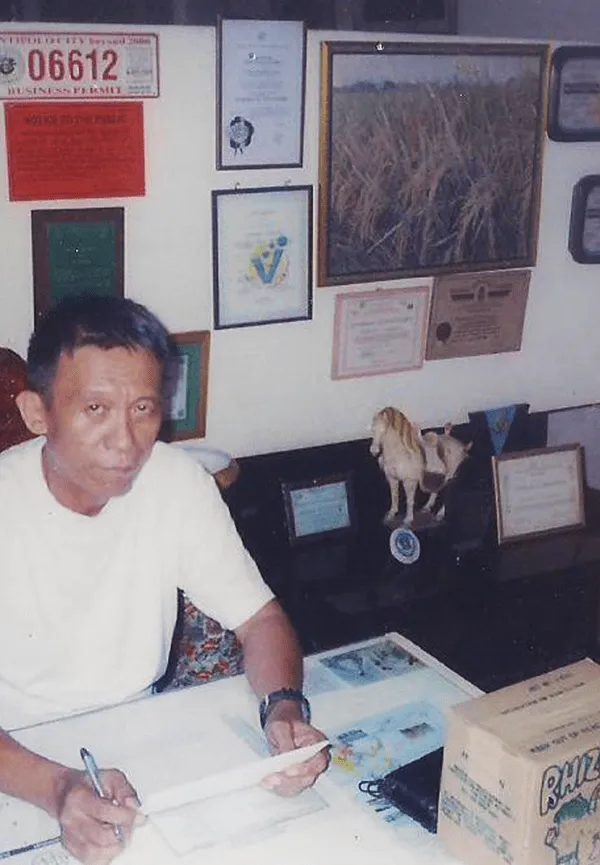
Raymundo Calugcugan grew up witnessing the struggles of Filipino farmers firsthand. Born in Sibulan, Negros Oriental in 1949, his family moved to Cotabato when he was seven. There, he helped his father cultivate their land and experienced the backbreaking work of traditional farming. These early experiences shaped his determination to find better solutions for agricultural productivity and farmer welfare.
 Educational Foundation
Building Knowledge
for Agricultue
Despite the hardships of farm life, Calugcugan pursued higher education with unwavering determination. He earned a scholarship to study Business Management at Ateneo de Manila University, graduating in 1973. During his senior year, he joined volunteer groups helping flood victims in Pampanga, mostly farmers. This experience reinforced his passion for agricultural improvement and sparked his interest in developing farming technology that could make agriculture a viable business in the Philippines.

 The Research Begins
Identifying Core Agricultural Problems
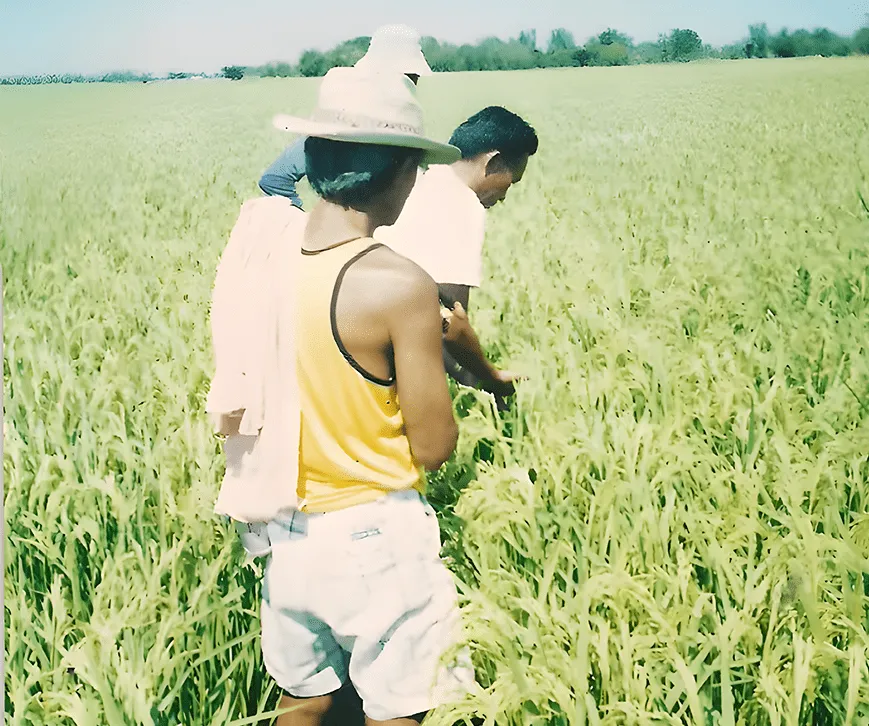
Calugcugan recognized that Filipino farmers faced unique challenges due to the country's tropical location. The Philippines experiences shorter daylight periods compared to temperate countries, limiting photosynthesis time for crops. Additionally, warmer temperatures increase plant respiration rates, reducing overall crop productivity. These geographical constraints, combined with depleted soil micronutrients and acidic soil conditions, created significant barriers to agricultural success that traditional fertilizer approaches couldn't address.
Early Development Phase
Creating the First
Agricultural Solutions
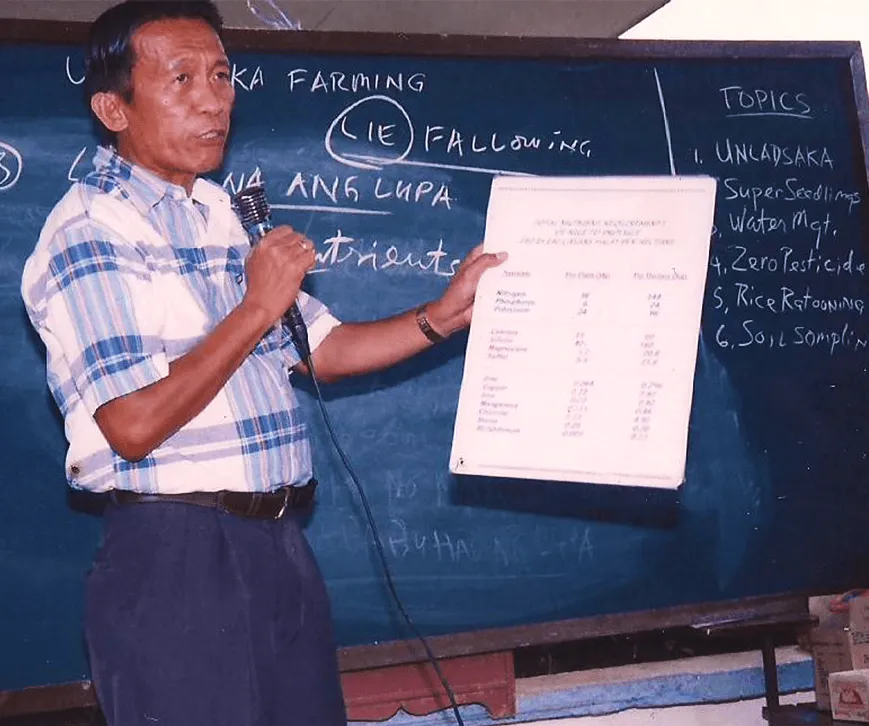
In the mid-1970s, Calugcugan began developing what would become the Unladsaka technology. His approach combined scientific understanding of plant nutrition with practical farming experience. He focused on creating a fertilization system that addressed specific micronutrient deficiencies in Philippine soils while optimizing plant growth for tropical conditions. The technology emphasized complete nutrient balance, proper timing, and sustainable soil health practices.
 First Breakthrough Success
Proving the
Technology Works
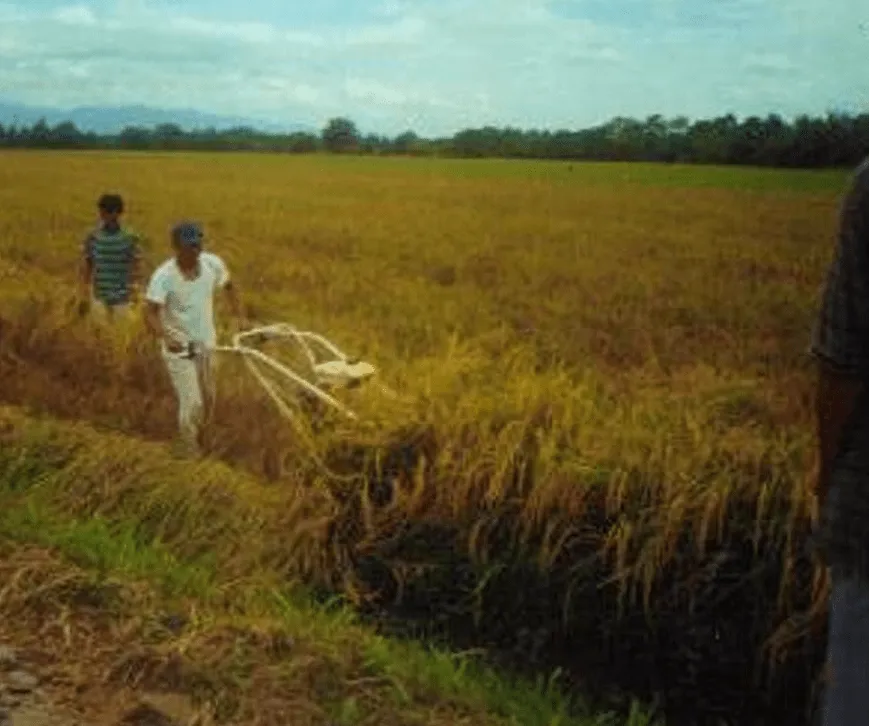
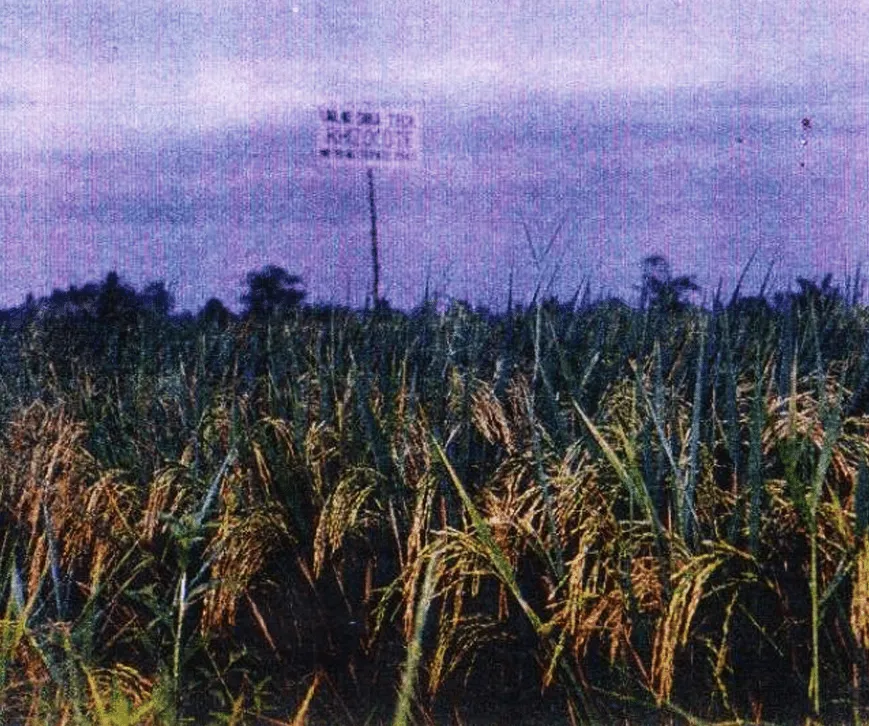
The initial breakthrough came in 1976 when Calugcugan pilot-tested his technology in Tapulao, Orani, Bataan. Rice farmers using this early version achieved remarkable results, harvesting between 149 to 210 cavans per hectare. Romulo Quiambao, who achieved the highest yield of 210 cavans per hectare, was awarded Best Farmer of Region III by the Department of Agriculture. This success demonstrated that Filipino agricultural innovation could compete with international standards.
Evolution to Rhizocote
Developing the
Complete Solution
Building on early successes, Calugcugan developed Rhizocote, a comprehensive agricultural micronutrients formula. The name combines "rhizo" meaning root and "cote" meaning food reserve, reflecting its purpose as complete plant nutrition. Rhizocote addresses micronutrient deficiency problems common in Philippine soils, particularly zinc, copper, boron, and molybdenum depletion. The formula includes an exclusive anti-fixation component that prevents nutrients from becoming locked in acidic soil conditions.

 International Recognition
Gaining Global
Acknowledgment
Calugcugan's innovations gained international attention throughout the 1990s. His work addressed fundamental agricultural challenges that affected many tropical countries worldwide. The comprehensive approach to soil health, plant nutrition, and sustainable farming practices represented a significant advancement in agricultural science. International agricultural organizations began recognizing the potential impact of this Filipino-developed technology on global food security and sustainable farming practices.
Award-Winning Achievement
WIPO Gold Medal
and National Honors
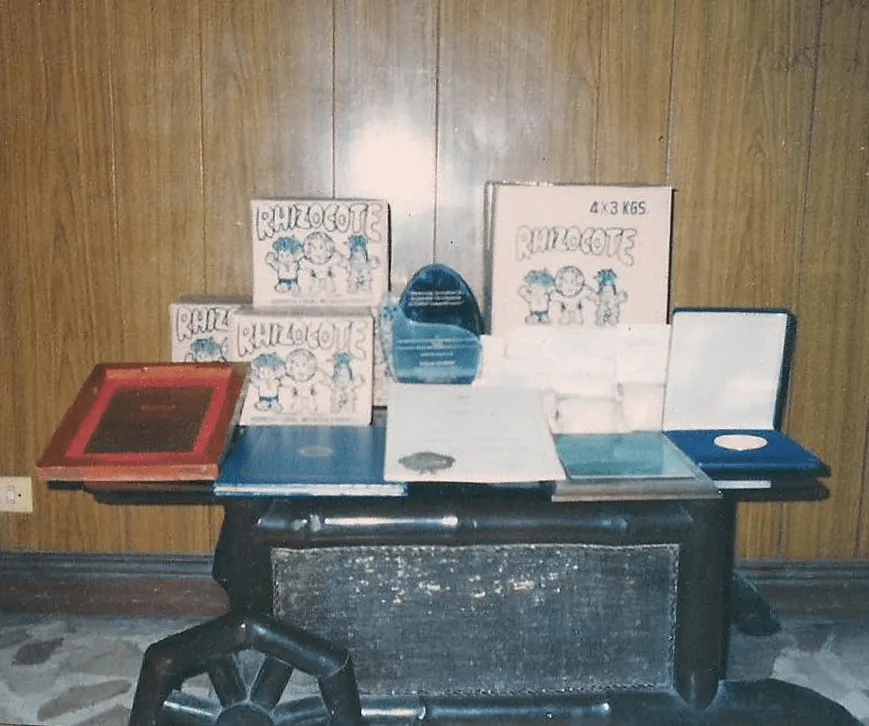
In 1997, Calugcugan received the prestigious World Intellectual Property Organization (WIPO) Gold Medal Award for his agricultural innovations. The Department of Science and Technology and Filipino Inventors Society also honored him as the Most Outstanding Inventor of the Philippines. These awards recognized not just the technical merit of his work, but its potential impact on improving farmer livelihoods and agricultural sustainability across the developing world.
 Technology Refinement Period
Perfecting the
Rhizocote System
Following international recognition, Calugcugan spent years refining the Unladsaka-Rhizocote system. He developed customized formulations based on specific soil conditions and crop requirements. The technology evolved to include precise fertilization programming that considers target yield, soil fertility, solar radiation patterns, and crop growth cycles. This high-precision approach allowed farmers to achieve consistent results while maintaining soil health over multiple growing seasons.
Volunteer Recognition
Commitment
to Filipino Farmers
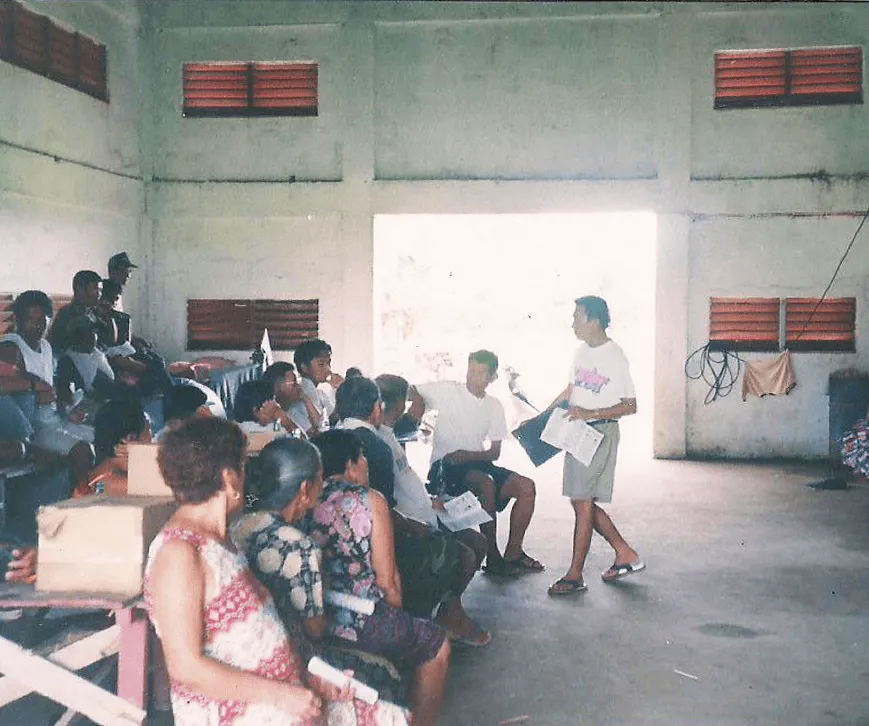
Calugcugan's dedication to helping Filipino farmers earned him the Outstanding Volunteer Worker of the Philippines Award in 2002 from NEDA and the Philippine National Volunteer Coordinating Agency. Despite offers to work abroad for agricultural companies, he remained committed to serving Filipino farmers. His volunteer work included free technical assistance, training programs, and technology transfer initiatives that helped thousands of farmers improve their crop yield and income.
 Modern Applications
Expanding Beyond
Traditional Crops
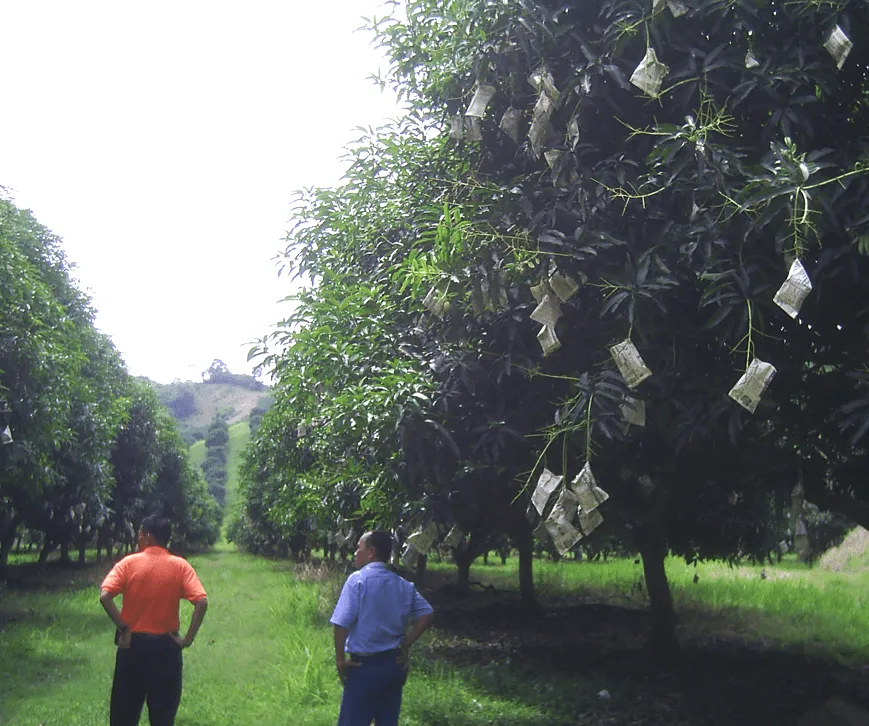
Today, Rhizocote technology has expanded beyond rice to include various crops including bananas, mangoes, corn, and even aquaculture applications. Recent successes include developing resistance to Panama Disease in banana plantations, a worldwide problem with no other known cure. The technology continues to evolve, incorporating new understanding of soil biology, plant physiology, and sustainable agriculture practices while maintaining its core focus on complete plant nutrition.
Continuing Innovation
Future of Agricultural
Technology
The legacy of RRC Technologies extends beyond past achievements to ongoing innovation in agricultural science. The company continues developing new applications for micronutrient technology, exploring solutions for climate change adaptation, and creating more sustainable farming practices. Calugcugan's vision of making Philippine agriculture competitive globally remains the driving force behind continued research and development efforts that benefit farmers throughout the archipelago and beyond.